Leak Detection
Using inspection tools to locate the source and path of water entry.
Roof leaks, material wear, and storm damage can compromise the integrity of your property. Our approach involves systematic assessment, identification of contributing factors, and application of targeted repair methods to address each condition.
At Guardian Roofing, we understand that roofing issues come from different sources. Leaks often stem from deteriorated flashing, cracked seals, or punctures. Wear is a natural process from sun, wind, and precipitation. Storm damage may include impacts from hail, fallen branches, or high winds. Our inspection identifies the type and extent of damage. We then create a structured repair plan addressing root causes. Steps include cleaning, preparation, material selection, and application. We document each project and explain the process. This systematic approach allows property owners to understand what is being done and why.

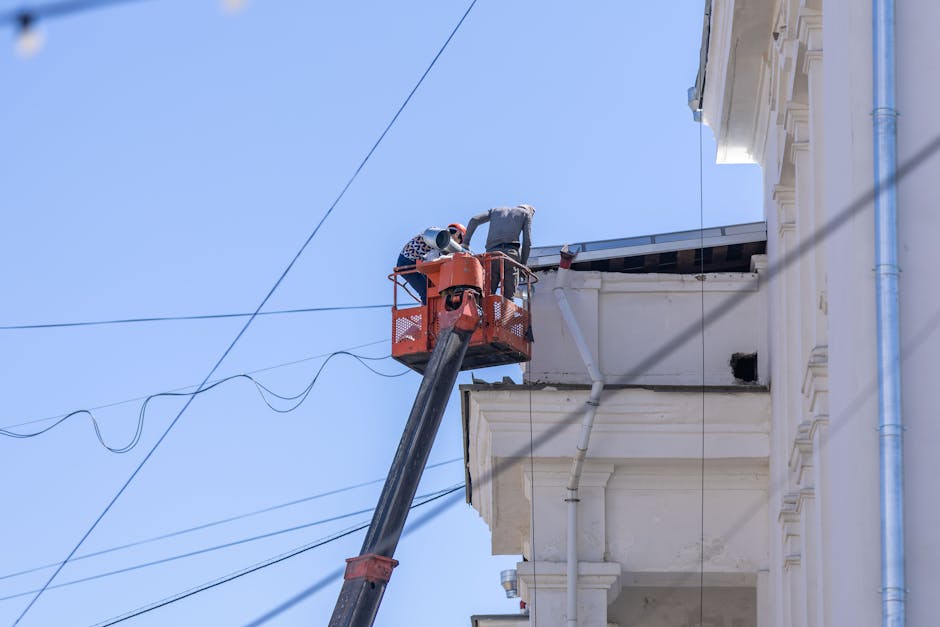
Using inspection tools to locate the source and path of water entry.
Addressing material degradation through targeted repair or replacement.
Evaluating impact from hail, wind, and debris on roof components.
Reinforcing roof deck and rafters compromised by weather.
When dealing with roof leaks, a methodical approach is essential. First, we conduct a visual inspection of interior and exterior areas to identify signs of moisture entry, such as water stains, mold, or damaged shingles. Next, we examine flashing around chimneys, vents, and skylights—common leak points. We also assess underlayment and sealants. Based on findings, we determine if a targeted repair or more extensive restoration is needed. The repair process may involve removing damaged sections, applying new underlayment, replacing flashing, and reinstalling roofing material. We match existing materials and document each step to ensure transparency.
Roof wear is an inevitable part of building maintenance. Over years of exposure to ultraviolet rays, temperature changes, and moisture, roofing materials degrade. Common signs include granule loss, curling edges, and cracked sealants. At Guardian Roofing, we assess overall condition by measuring material thickness, checking delamination, and evaluating fastener integrity. Our strategies range from protective coatings to selective replacement of worn sections. For advanced wear, we may recommend full system replacement with materials designed for longer service. We provide data on expected performance to support informed decisions.

Proper diagnosis of roofing issues requires a systematic approach. Professional inspectors evaluate multiple factors such as material age, weather history, and structural condition. This information forms the basis for a repair plan. While some issues are visible, others may be hidden. A comprehensive assessment helps identify all contributing elements.
9090 Oakwood Drive, Houston, TX